
Business Consulting for Startups: How to Build a Scalable Marketing Foundation.
- smartleadsads
- Feb 13
- 3 min read

Introduction
Startups are built on ambition, innovation, and speed—but many struggle when it comes to sustainable growth. Founders often focus heavily on product development while treating marketing as an afterthought. As a result, they invest in ads, social media, or tools without a clear plan, leading to inconsistent traction. This is where business consulting for startups becomes essential.
Business consulting for startups goes beyond generic advice. It helps founders build a scalable marketing foundation that aligns with their business goals, target audience, and long-term vision. Instead of relying on trial and error, startups gain structure, clarity, and a roadmap for growth.
In this blog, we’ll explore how business consulting for startups helps create a strong marketing foundation that supports scaling—without burning cash or time.
Why Startups Need a Strong Marketing Foundation Early
Many startups believe marketing can wait until the product is “perfect.” In reality, delaying marketing strategy often leads to costly mistakes later.
Without a proper foundation:
Customer acquisition becomes expensive
Messaging lacks clarity
Growth depends on short-term tactics
Business consulting for startups ensures marketing is not just an activity but a system designed to grow alongside the company.
What Is Business Consulting for Startups?
Business consulting for startups is a strategic advisory service focused on helping early-stage businesses define their market, build scalable systems, and make informed growth decisions.
It typically covers:
Market validation and positioning
Go-to-market strategy
Marketing and sales alignment
Funnel and conversion optimization
Metrics, analytics, and growth planning
The goal is to reduce uncertainty and help startups scale with confidence.
Step 1: Clarifying the Startup’s Vision and Growth Goals
A scalable marketing foundation begins with clarity.
Consultants work with founders to define:
Long-term vision and milestones
Revenue targets and timelines
Ideal growth pace (fast vs sustainable)
This clarity ensures marketing decisions align with business priorities—not distractions.
Step 2: Identifying the Ideal Customer and Market Fit
One of the biggest reasons startups fail is building for the wrong audience.
Through business consulting for startups, founders gain insights into:
Ideal customer profiles (ICP)
Real customer pain points
Buying behavior and intent
This helps startups avoid generic messaging and focus on audiences most likely to convert and stay loyal.
Step 3: Crafting a Clear Value Proposition
Startups often struggle to explain what makes them different.
Consulting helps refine:
Core value proposition
Unique selling points (USP)
Positioning against competitors
A strong value proposition becomes the backbone of all marketing—website copy, ads, content, and sales conversations.
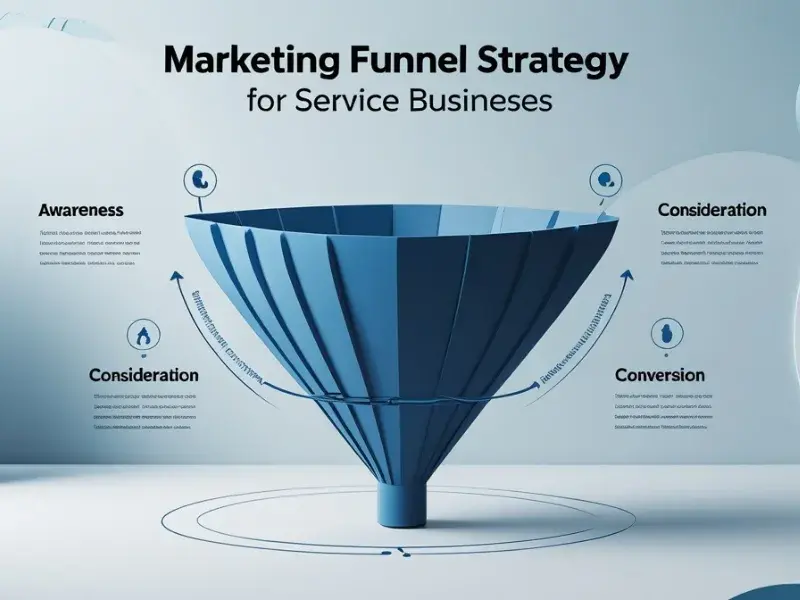
Step 4: Building a Scalable Marketing Funnel
Random marketing doesn’t scale. A proper funnel does.
Business consulting for startups focuses on designing:
Awareness strategies (SEO, content, social media)
Consideration strategies (case studies, demos, webinars)
Conversion strategies (landing pages, offers, CTAs)
Retention strategies (email, onboarding, upsells)
This funnel-based approach ensures consistent lead flow and revenue growth.
Step 5: Choosing the Right Marketing Channels
Startups don’t have the luxury of unlimited budgets.
Consultants help identify:
Channels with the highest ROI
Platforms where the target audience is active
Short-term vs long-term growth channels
Instead of spreading efforts thin, startups focus on channels that support scalable growth.
Step 6: Setting Up Data, Metrics, and Analytics
Growth without measurement is risky.
Through business consulting for startups, founders establish:
Key performance indicators (KPIs)
Analytics tools and dashboards
Regular review and optimization processes
This ensures marketing decisions are based on data, not assumptions.
Step 7: Aligning Marketing with Sales and Product
Marketing doesn’t work in isolation.
Consultants ensure alignment between:
Marketing messaging
Sales conversations
Product development feedback
This alignment improves conversions, customer satisfaction, and retention.
Common Mistakes Startups Make Without Consulting
Without business consulting for startups, many founders:
Copy competitors without understanding why
Over-invest in ads too early
Ignore conversion optimization
Chase growth before product-market fit
Consulting helps avoid these costly errors.
Benefits of Business Consulting for Startups
Faster market validation
Lower customer acquisition costs
Clear growth roadmap
Better use of limited resources
Scalable marketing systems
Most importantly, it gives founders confidence in their decisions.
Conclusion
Startups don’t fail because of a lack of ideas—they fail because of poor execution and unclear strategy. Business consulting for startups provides the structure, clarity, and systems needed to build a scalable marketing foundation from the very beginning.
By defining goals, understanding customers, creating strong positioning, building funnels, and tracking performance, startups can grow sustainably without burning resources.
If you want your startup to scale with intention rather than guesswork, investing in business consulting early is not a cost—it’s a strategic advantage.


Comments