
Marketing Funnel Strategy for Service Businesses That Want High-Quality Leads
- smartleadsads
- Feb 24
- 4 min read

Introduction
For service-based businesses, generating leads is not the real challenge — generating high-quality leads is. Many consultants, agencies, coaches, and professional service providers struggle with inquiries that don’t convert, price-sensitive prospects, or inconsistent deal flow.
The solution lies in building a structured marketing funnel strategy.
Instead of relying on random social media posts, referrals, or one-time ad campaigns, service businesses need a systematic process that attracts the right audience, nurtures trust, and converts prospects into paying clients. A well-designed funnel ensures that every stage of the buyer journey is intentional and optimized.
In this guide, we’ll break down a practical marketing funnel strategy designed specifically for service businesses that want predictable, high-quality leads.
What Is a Marketing Funnel Strategy?
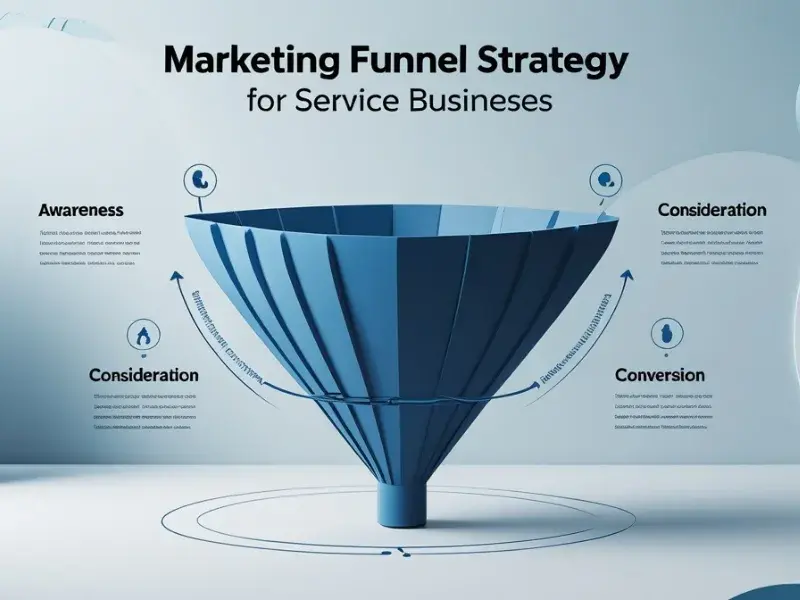
A marketing funnel strategy is a structured process that guides potential customers through different stages — from awareness to conversion — using targeted messaging and systems.
The typical funnel stages include:
Awareness – Attracting potential clients
Interest – Educating and building trust
Consideration – Demonstrating value and differentiation
Conversion – Turning prospects into clients
Retention – Maintaining long-term relationships
Without a defined funnel, businesses often lose potential clients at various stages.
Why Service Businesses Need a Funnel Strategy
Service businesses are built on trust and expertise. Unlike physical products, services cannot be “seen” or “tested” immediately. Therefore, prospects require:
Education
Credibility
Social proof
Clear value proposition
A structured marketing funnel strategy ensures prospects move logically through these trust-building stages.
Stage 1: Top of Funnel (TOFU) – Awareness
At this stage, your goal is visibility.
High-quality leads begin with targeting the right audience from the start. Instead of chasing everyone, focus on your niche.
Effective Awareness Channels:
SEO-optimized blog content
LinkedIn thought leadership
YouTube educational videos
Paid advertising
Social media content
Webinars or free workshops
The key is providing value, not selling immediately.
Example:
A digital marketing consultant might publish articles on “How to Generate Consistent Leads for Service Businesses” to attract decision-makers.
Your marketing funnel strategy should ensure that content aligns with the problems your ideal client faces.
Stage 2: Middle of Funnel (MOFU) – Interest & Trust Building
Once prospects are aware of your business, the next step is nurturing.
This stage focuses on converting visitors into leads through:
Lead magnets (eBooks, checklists, guides)
Free consultations
Case studies
Email newsletters
Educational webinars
The goal is to capture contact information and build authority.
Why This Matters
Service purchases often require longer decision cycles. A strong middle funnel builds credibility and reduces skepticism.
Stage 3: Bottom of Funnel (BOFU) – Conversion
At this stage, prospects are evaluating options.
Your marketing funnel strategy should clearly communicate:
Your unique value proposition
Pricing transparency (if applicable)
Proven results
Testimonials and case studies
Clear call-to-action (CTA)
High-converting service businesses often include:
Detailed service pages
Success stories
Clear booking forms
Automated follow-up sequences
Conversion optimization is critical. Small improvements in messaging can significantly increase client acquisition.
Step 4: Qualification & Lead Filtering
Not all leads are equal.
High-quality leads are those who:
Have budget
Have authority
Have urgency
Match your target profile
Your funnel should include qualification mechanisms such as:
Application forms
Pre-consultation questionnaires
Automated screening emails
This saves time and improves closing rates.
Step 5: Sales Process Alignment
Your marketing funnel strategy must align with your sales process.
This includes:
Structured consultation calls
Clear presentation of solutions
Objection handling
Follow-up systems
CRM tracking
Marketing generates interest, but sales converts intent into revenue.
Step 6: Retention & Upselling
Most service businesses focus only on acquisition. However, retention drives profitability.
Strategies include:
Ongoing support programs
Upselling advanced services
Cross-selling complementary offerings
Loyalty incentives
Regular performance reviews
A strong retention system increases customer lifetime value (CLV).
Common Funnel Mistakes Service Businesses Make
Selling too early without building trust
Targeting too broad an audience
Ignoring follow-ups
No clear call-to-action
Not tracking funnel metrics
Weak landing page optimization
Avoiding these mistakes significantly improves funnel performance.
Key Metrics to Track in Your Marketing Funnel Strategy
To optimize performance, monitor:
Website traffic
Lead conversion rate
Cost per lead (CPL)
Consultation booking rate
Close rate
Customer acquisition cost (CAC)
Customer lifetime value (CLV)
Data-driven adjustments ensure long-term success.
How to Build a Funnel That Attracts Premium Clients
If your goal is high-quality leads, focus on:
Niche specialization
Premium positioning
Authority content
Value-based messaging
Strong personal branding
Consistent thought leadership
Premium clients are attracted to expertise, not discounts.
Benefits of a Structured Marketing Funnel Strategy
✔ Predictable lead flow
✔ Higher-quality prospects
✔ Improved conversion rates
✔ Reduced marketing waste
✔ Stronger brand authority
✔ Scalable business growth
When implemented properly, your funnel becomes a growth engine rather than a guessing game.
Who Should Implement a Funnel Strategy?
Marketing consultants
Coaches and trainers
Legal and financial advisors
Healthcare professionals
B2B service providers
Agencies and freelancers
If you depend on client acquisition, you need a structured funnel.
Conclusion
Generating high-quality leads is not about luck — it’s about structure.
A well-designed marketing funnel strategy helps service businesses attract the right audience, nurture trust, qualify prospects, and convert consistently. Instead of relying on scattered marketing efforts, a funnel aligns visibility, authority, and sales into one cohesive system.
Service businesses that implement structured funnel strategies experience predictable growth, stronger client relationships, and improved profitability.
If your goal is not just more leads — but better leads — building and optimizing your marketing funnel strategy is the most important step toward sustainable success.


Comments